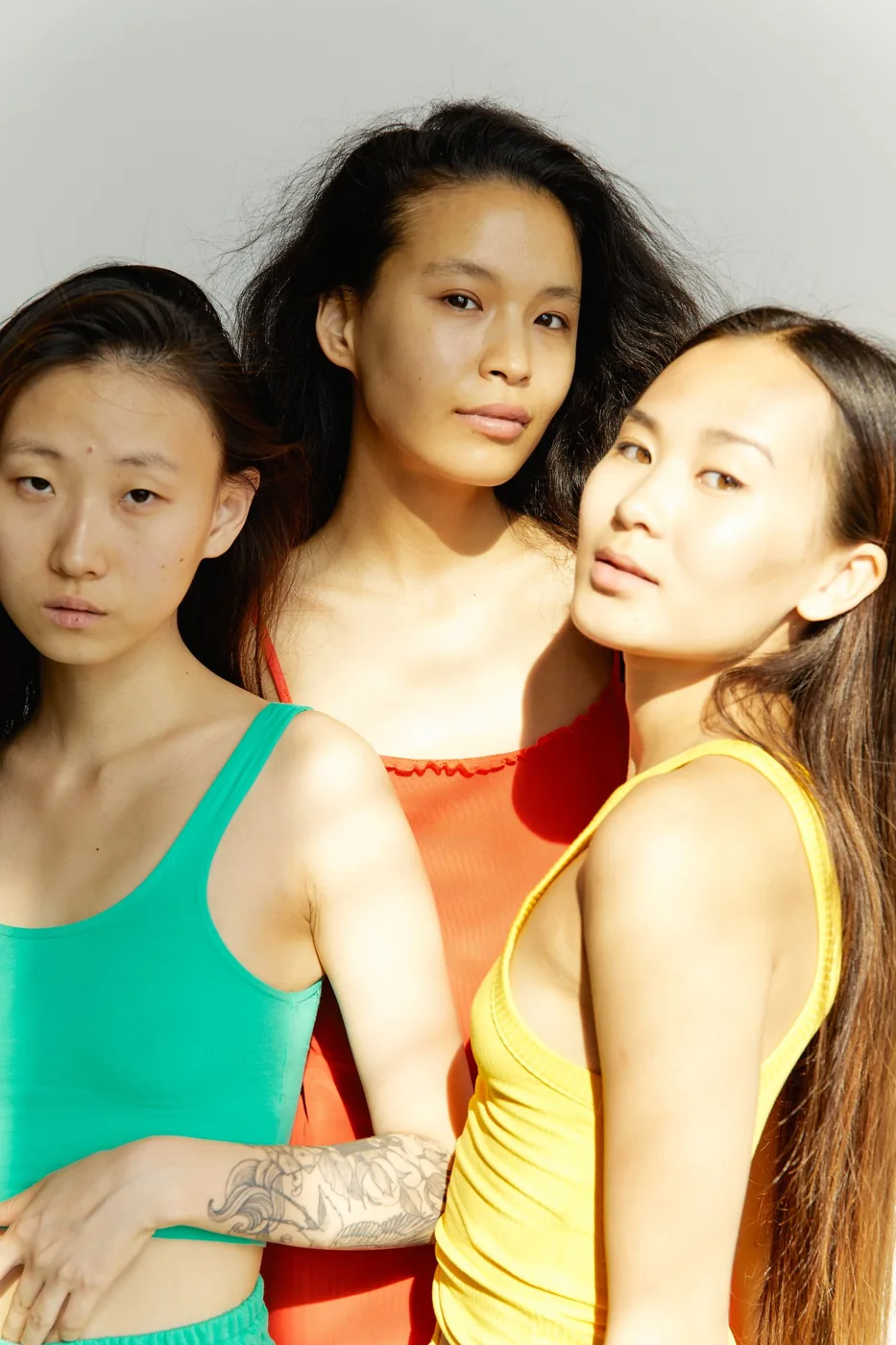
A group portrait can become easier to plan when the visual brief and the clothing brief are kept on separate pages. The person arranging the picture may need to know the setting, intended audience and general mood. Each participant needs a practical plan for their own clothes. Combining those tasks into one detailed shopping sheet can make a photograph feel coordinated on paper while creating unnecessary work for everyone who must appear in it.
Write the picture brief without a product list
Describe the actual occasion and intended use in a few lines. A casual record of a gathering is different from a formal portrait, and a private album is different from a public publication. Agree those facts before distributing inspiration images that may imply a much more elaborate event.
Keep the desired visual direction broad enough to discuss. A quiet background, a general level of formality or an interest in individual colour can be a brief. Exact links to new garments are not the only way to make the intention understandable.
Let participants make their own clothing brief
Each person can identify familiar pieces that serve the setting and their own practical needs. They do not need to explain private body or wardrobe circumstances to justify a choice. A participant can keep their personal preparation private while still understanding the group's direction.
If guidance is wanted, ask which part is unresolved. Someone choosing between two owned layers needs a smaller answer than a complete outfit redesign. Do not turn an invitation to help into permission to replace every piece they have already chosen.
Use references for one specific purpose
A photograph might illustrate a level of formality or a broad colour relationship. Say which aspect is relevant rather than asking people to reproduce the whole scene. The example may contain lighting, posing and editing that clothes alone cannot recreate.
Use reference images within the rights and permissions appropriate to them. Private try-on pictures should not be forwarded into a larger planning group without agreement. A written description can often communicate the useful detail without circulating another person's image.
Reconcile the briefs through a small question
If an outfit seems outside the understood direction, check whether the direction was actually clear before requesting a change. Ask what the person wants to retain. A different existing layer or an adjustment to the picture plan may solve the issue without a new purchase.
Where a photographer is involved, discuss practical composition through the agreed arrangements rather than issuing several competing instructions to participants. Clothing is one input to the image, not a guarantee of the final result.
Close preparation at a useful point
Confirm the setting and simple direction once, then let people finish getting ready. An inspiration board should not keep generating late corrections. The two-brief method succeeds when the picture has a coherent purpose and the participants retain ownership of their own clothes, leaving the portrait to show a group of people rather than the outcome of a shared shopping assignment.
Related reading
A Spring Occasion Outfit That Handles the Whole Day, How to Build an Outfit for a Full Day of Walking.