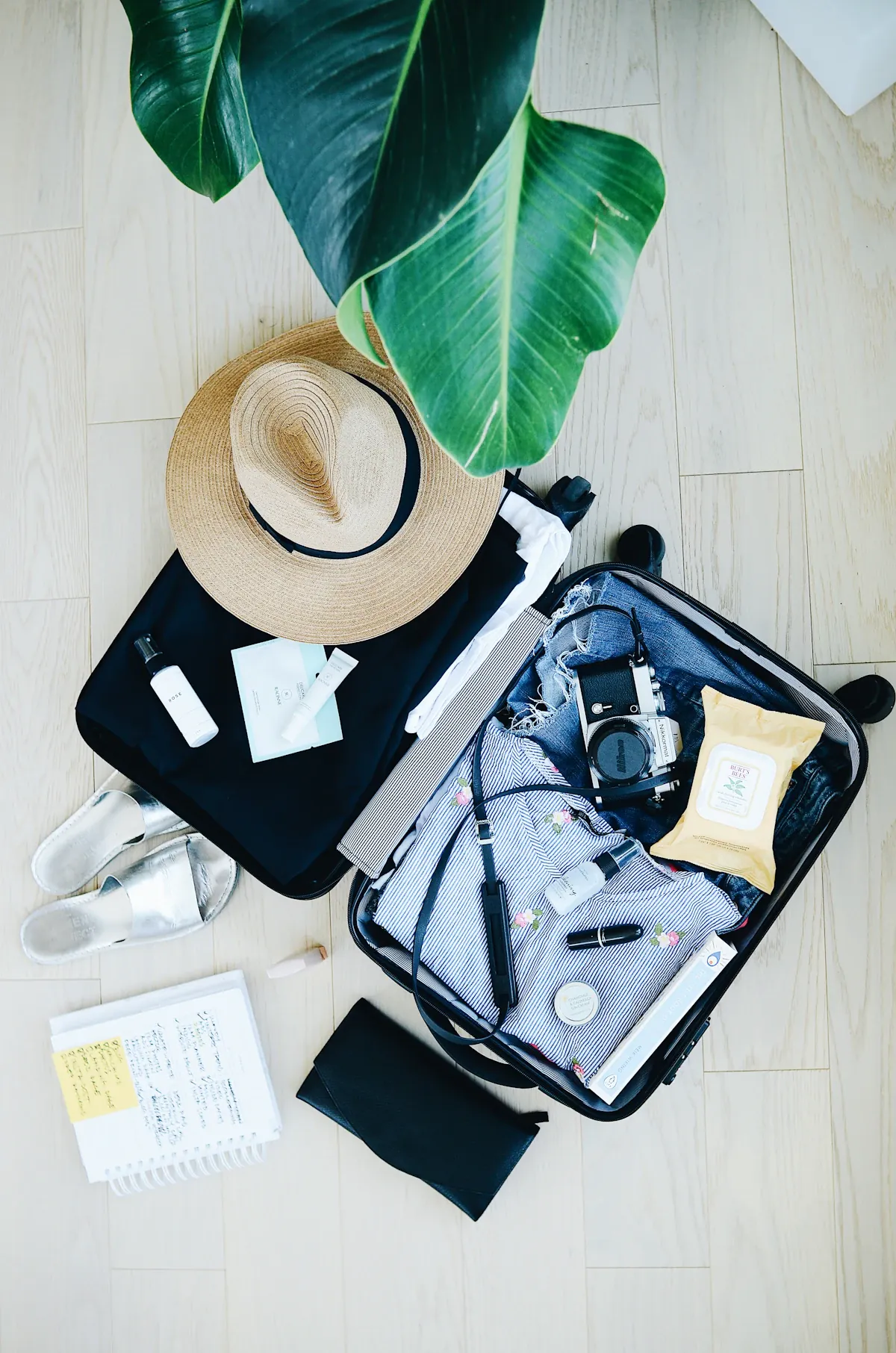
A carry-on that closes neatly at departure can become awkward after a few purchases. Plan the return space before browsing markets and independent shops, rather than discovering the limit beside an open suitcase on the final morning. A clear physical and spending boundary can make shopping more enjoyable because each purchase has a realistic route home. It also avoids relying on an extra bag that may not meet the operator's current rules.
Check the actual baggage allowance
Use the transport operator's current information for your booking and route, including size, weight and number of items. A foldable bag does not create a free allowance merely because it was empty on the outward journey. Confirm uncertain details directly before travel. Keep the return plan tied to those rules rather than to a general assumption that a small extra tote will always be accepted.
Choose a space limit at home
Leave a defined amount of room in the main bag or decide which packed items can be rearranged safely. Do not fill every gap with backup clothes and then call the suitcase shopping-ready. Try the complete load with toiletries and shoes included. A modest empty space is easier to understand than a promise to compress everything harder on the way back.
Buy for a clear use
Ask where the item will go at home and whether its dimensions, care and material suit that role. A souvenir can be useful or decorative, but it still needs safe carrying and storage. Check any food, material or customs restrictions through appropriate official guidance where relevant. Keep labels and receipts rather than removing information to make a purchase look more compact.
Protect fragile purchases separately
Consider weight and pressure inside the bag. A delicate object placed beside heavy toiletries may need more protection than spare clothing provides. Use appropriate packaging and ask the seller about handling. If the object requires elaborate protection that consumes the remaining space, reassess the purchase before paying. Do not assume an improvised wrap will protect every material through the journey.
If the space limit is reached
Stop adding items and compare legitimate alternatives, such as a clearly priced shipping service where suitable. Check terms and reliability directly instead of assuming a parcel will be simple or inexpensive. Do not discard useful travel essentials merely to justify another purchase. A short pause can reveal that the item is appealing in the shop but not worth the carrying and storage task it creates.
Should an extra bag be packed just in case?
Only if it has a defined role within the current allowance or a planned paid arrangement. It can be useful, but extra handles add work during transfers. Keep the return load manageable, inspect fragile items on arrival and unpack promptly. Record which purchases genuinely entered daily use, so the next city break begins with a more informed shopping plan rather than the same last-minute suitcase puzzle.
Related reading
Continue with Organise Hand Luggage Around What You Need Next and A Travel Toiletry Bag You Can Actually Find Things In. These existing guides provide a broader starting point for the related wardrobe, home or planning decision.