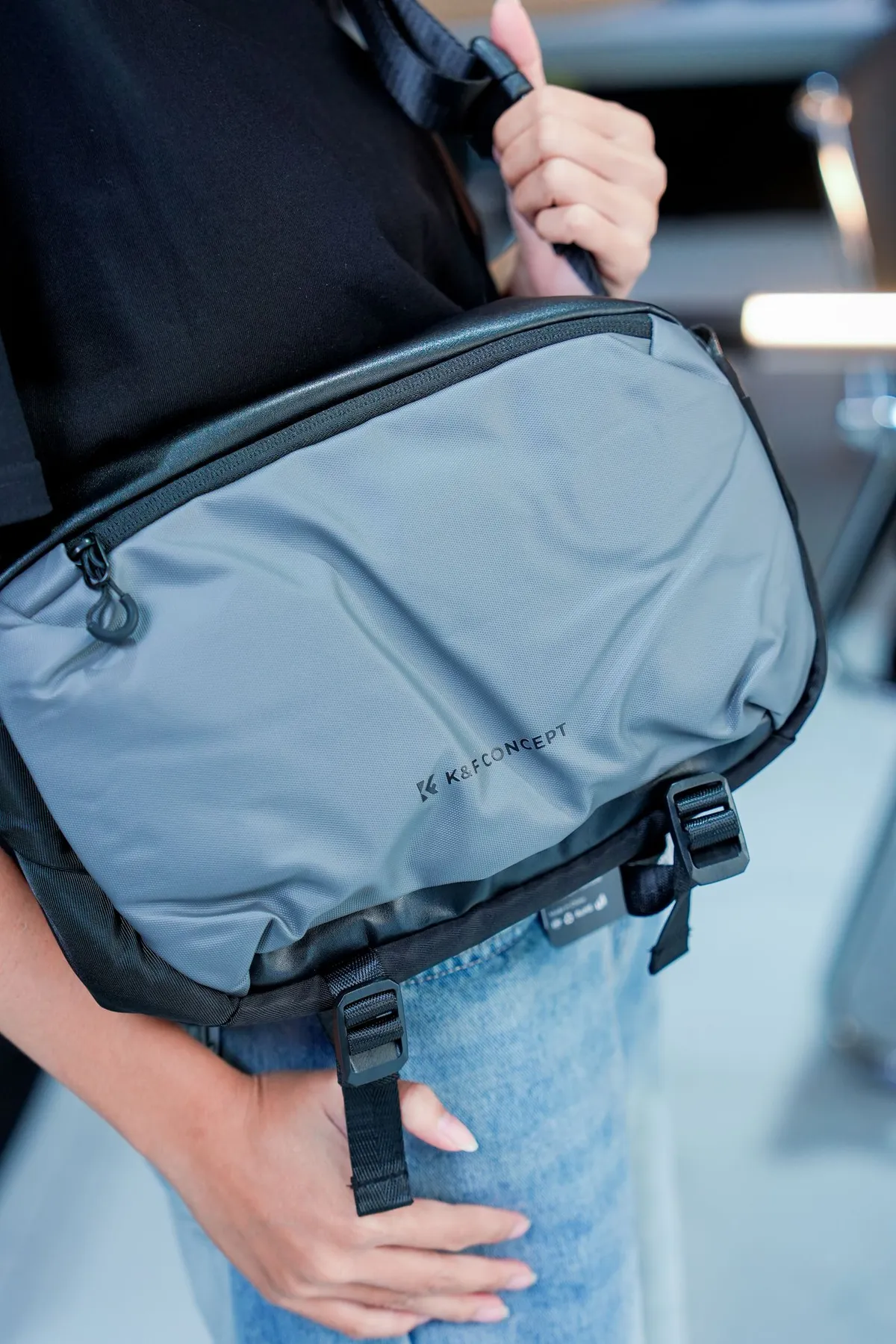
The return journey can be the hardest part of packing for a rainy short break. A coat, umbrella or shoe may still be damp when checkout arrives, and clean clothes need protection. Plan a modest separation system before departure rather than hoping everything dries in time. The objective is temporary containment followed by proper drying, not leaving wet gear sealed inside luggage until the next trip.
Reserve a suitable separate bag
Choose containment appropriate to the likely wet items and check its size inside the luggage. One flexible bag may be enough for a small kit; several rigid containers can add unnecessary bulk. Keep it distinct from clean clothing storage so there is no confusion during a hurried departure. Read its own cleaning and use guidance rather than assuming every reusable bag is suitable for prolonged damp storage.
Allow drying time where possible
After the final outing, hang or place gear according to the maker's instructions in a suitable ventilated location. Do not use radiators, hair dryers or other direct heat as an assumed shortcut. Different uppers, coatings and adhesives can need different treatment. Confirm accommodation rules before washing or drying items in a way that could damage the room or inconvenience others.
Pack in the order of the last morning
Keep clean departure clothes accessible and separate from the items still drying. Before closing the bag, inspect the wet gear rather than judging only the surface. A sleeve may feel dry outside while lining remains damp. Protect moisture-sensitive documents and devices separately. Leave enough usable space for the contained gear without forcing it against vulnerable clothing or fragile purchases.
Treat footwear as its own question
Clean loose dirt appropriately and dry as much as the material guidance permits. A wet shoe bag can contain dirt temporarily, but sealing damp footwear indefinitely can create another maintenance problem. If the itinerary genuinely needs a spare pair, choose it before departure; buying an emergency second pair is not a substitute for planning realistic drying time.
If everything cannot be dry at checkout
Use the temporary separation plan, keep the load manageable and unpack promptly at the destination. Do not keep checking and repacking the same wet items beside clean clothes during transit. A short checklist can help ensure the drying items are not left behind: coat, umbrella, shoes and any separate containment bag. Keep personal essentials accessible while the damp section remains contained.
What should happen immediately after getting home?
Remove damp gear first and dry it according to its instructions before storing luggage. Wash or clean the containment bag as suitable and let that dry fully too. Inspect clothing that was nearby for moisture. A return-home routine completes the wet-weather packing plan; without it, a tidy closed suitcase merely hides the unfinished task. Note what dried slowly so the next short trip can use a more realistic kit and schedule.
Related reading
Continue with Choosing a House of Staunton Chess Set for a Home You Live In and A Travel Toiletry Bag You Can Actually Find Things In. These existing guides provide a broader starting point for the related wardrobe, home or planning decision.