Invisalign and traditional fixed braces are two popular options when it comes to orthodontic treatment.
Which option is best for you? In this blog post, we’ll explore the advantages and disadvantages of both types of treatments.
Invisalign aligners
Invisalign straightens teeth using a series of removable, transparent plastic trays that fit over your teeth. Your custom-made aligners will gradually move each tooth into its proper position – without the use of wires or brackets.
Fixed braces
Traditional fixed braces move teeth using metal or tooth-coloured brackets, which are attached to your teeth and connected by a thin metal archwire. Your orthodontist will use the heat-activated archwire to gently apply pressure to your teeth to gradually align your smile.
Advantages of Invisalign
Invisalign’s aligners are virtually invisible, so it’s a fantastic option if you don’t want your braces to show.
You can remove your clear aligners to eat and drink normally throughout your treatment and brush and floss your teeth with ease.
Invisalign uses 3D technology to simulate your treatment plan so you can visualise your journey and all-important result.
Advantages of fixed braces
If your case is more complicated, you might get a better outcome with fixed braces. Brackets and wires offer excellent control, so your orthodontist can make precise movements – and achieve incredible results.
Your braces will be attached to your teeth throughout your treatment, so they’re always working – and can’t go missing.
Fixed braces are usually a more cost-effective alternative to invisible braces, but prices will vary between providers according to their experience and what’s included.
Disadvantages of Invisalign
You’ll need to wear your Invisalign aligners for at least 20 hours every day, so it’s essential to pop them back in after eating and drinking.
If you don’t store your aligners safely when you take them out, they could get damaged or go missing, and this could potentially prolong your treatment.
Wearing aligners may affect your speech for the first few days, but this should quickly improve with some practice.
Disadvantages of fixed braces
Even if you opt for tooth-coloured brackets, fixed braces are more visible than clear aligners.
You might find that your brackets and wires irritate the inside of your lips and cheeks at first.
You’ll need to spend some extra time brushing around your braces each day to keep your teeth clean and healthy.

Which brace is right for you?
Invisalign offers clear advantages over traditional fixed braces. It’s discreet and convenient, so it’s no surprise it’s been chosen by more than 10 million patients worldwide.
Fixed braces have been used for decades and consistently provide exceptional results.
If you’re suitable for both options, it might come down to which one best suits your lifestyle. You may want to remove your aligners for dinners out with friends, or you might prefer the security of fixed braces.
When you compare the cost of different treatment options, look at everything your quote includes. Retainers are essential after braces, and some orthodontic practices will also include extras like professional teeth whitening.
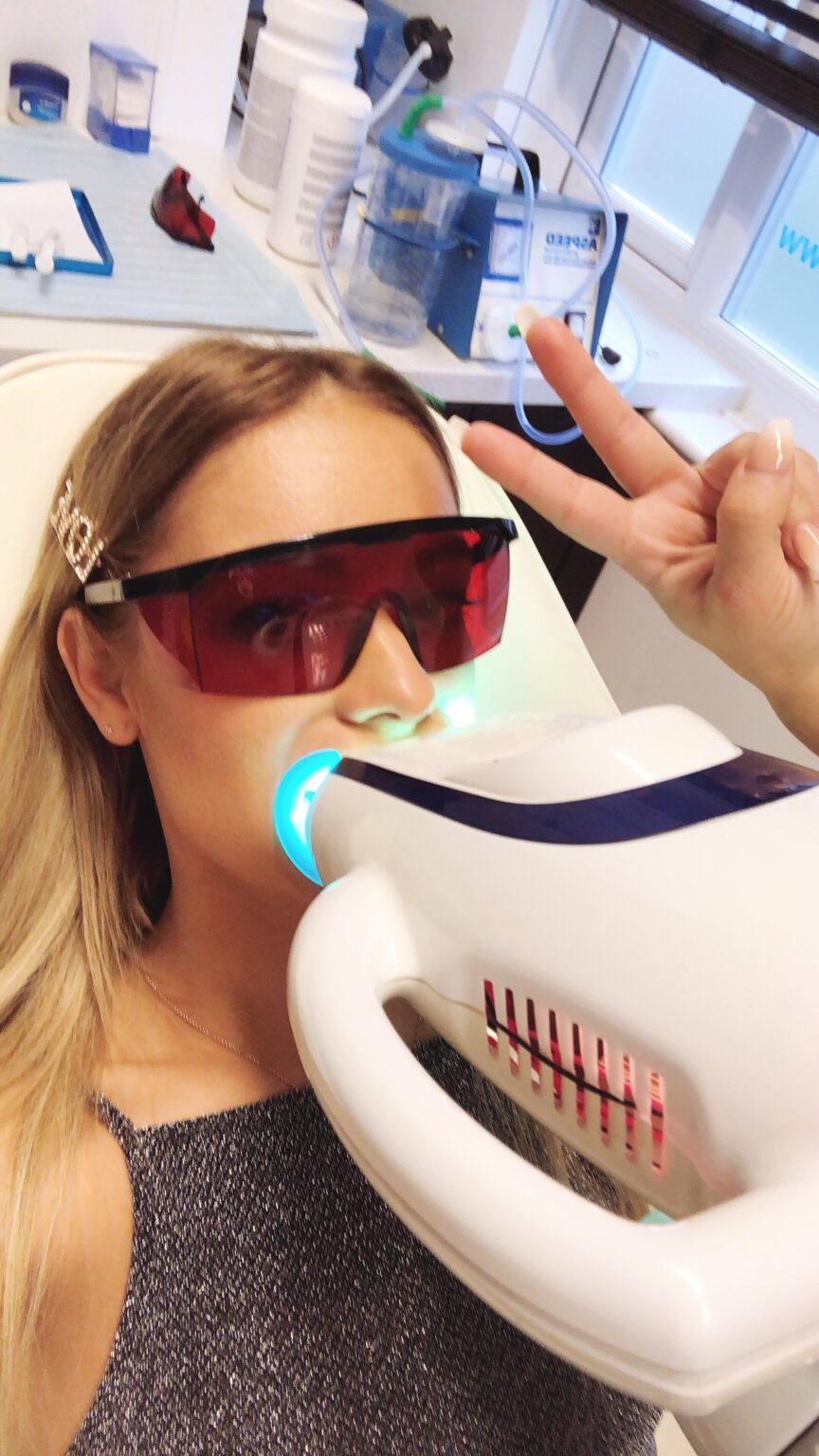
Sensu, a leading provider of Invisalign in London, include retainers, home whitening and teeth contouring as standard.
To help you make the right decision, do your research and shop around. Most orthodontic practices offer no-obligation consultations so that you can put your questions to an expert.
Whichever choice you make, you’ll enjoy your new smile for life if you wear your retainers and follow your orthodontist’s aftercare advice carefully.
 Christmas gifts for her with Boots
 Ethical Beauty Products: Vegan Skincare Explained
 6 Reasons to Take Care of Your Skin and Adopt a Healthy Skincare Routine


Leave a Reply