Off-grid living can be defined as leading an independent lifestyle without the reliance on community infrastructure or public utilities. If you are wanting to lead a more eco-friendly lifestyle, the concept of off-grid living is perfect in cutting back on your energy use by having homes that provide their own supply of energy, heating, water and food, as well as managing its own wastewater.
This complete self-sustaining way of life might not be achievable for all homes, as there are many factors to consider, such as your location within the city limits and the local environment. However, this doesn’t mean that some form of self-reliance can’t be achieved for most people.

Benefits of living off-grid
There are a wide variety of advantages to living off-grid and fulfilling a self-reliant and sustainable lifestyle. Being off-grid can help to promote a way of living that affects all aspects of daily life. Some of these benefits are:
• Reduced stress – there are fewer demands from people and organisations along with a slower pace of life. It can also promote a move away from consumerism and invigorate a sense of personal autonomy. Living off-grid keeps you at one with nature and more susceptible to a fulfilling and happy lifestyle, that you wouldn’t find in any urban area.
• A greater respect for nature – a relationship with natural surroundings which is more in-tune with the environment, leads to a satisfying rural life without the negativity of any noise or pollution. Off-grid living promotes a more peaceful day to day life with serenity for all.
• Long-term financial savings – the costs are much lower in the long run from the lack of utility bills and the reduced need for consumer spending. Living off-grid means cutting back on the luxury lifestyle and therefore contributing more to the environment and living inexpensively.

Ensuring one has the bare necessities
The self-reliant way of life can be a peaceful one when done right, while the lifestyle can quickly become unsustainable and difficult if it is not done efficiently, it is important to spare no time or consideration when ensuring the essential facilities have been set up properly in order for you to lead the perfect off-grid life.
Land use
When looking for land to achieve your off-grid lifestyle, checking the rules of the local area for planning restrictions on your project is vital in ensuring the best outcome for your new sustainable home, as living within the city limits, for example, may affect any off-grid plans, therefore local resources and environments will also need to be considered.
Energy
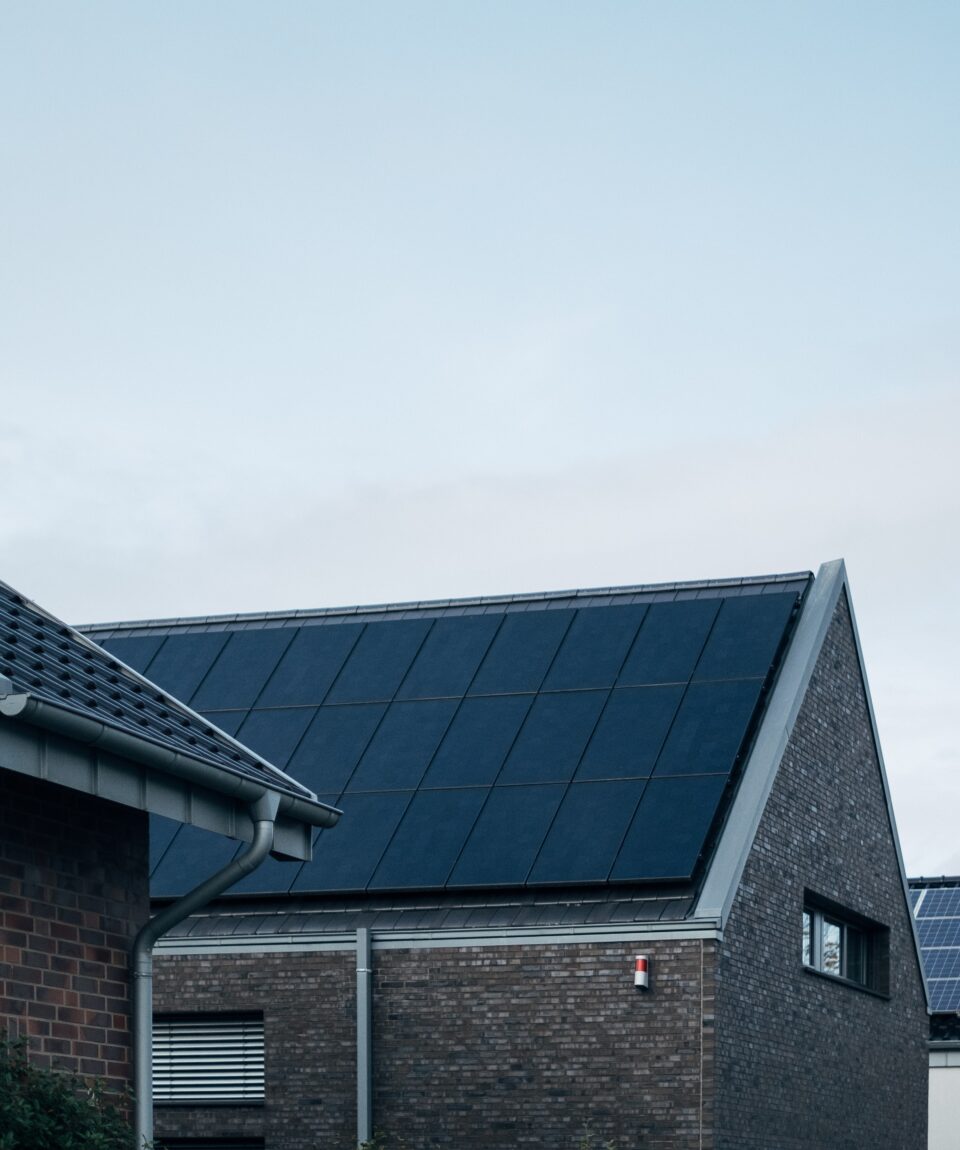
There are many different ways to implement energy into your home in an environmentally friendly way, such as through solar power, a popular option for many people, even those within a city with no desire to fully live off-grid. Even wind turbines can be used, and for those close to a water source, hydroelectric power is a great source of energy. Biomass boilers are also a good form of energy that heat sustainably sourced wood pellets to provide you with energy whilst being eco-friendly.
Heating
Whether you are wanting to reduce your carbon footprint or save money on heating costs, off-grid living provides many ways to heat your home more sustainably, one being ground-source and air-source heating pumps, which are known to be one of the most efficient heating sources with minimal maintenance required and quieter operating. You can search for new combi boiler cost to compare the pricing these days.
Biomass boilers are another great heating source which generate heat through using natural and renewable resources, which is much better for the environment. Another option is solar panels, which not only source heating but also hot water which saves money on your bills whilst also reducing your carbon foot-print.
new combi boiler cost
Water
Both rainwater and bore water are adequate supplies as long as they are filtered and sterilised. Harvesting bore water requires a geological survey and the drilling of a borehole, but harvesting rainwater can be achieved by installing a rainwater collection system. These enable people to efficiently collect and store rainwater, and are great for providing an alternative supply of water in case of any water shortages. They also help to maintain a healthier and greener lifestyle, by saving a lot of money on water supplies.
Food
While many people cannot live without their takeaway fix, living off-grid means that you can live a healthier diet through avoiding those processed foods and opting for more natural food produce, fresh from growing your own allotment. With growing your own fruits and vegetables or looking after chickens in a coop for fresh eggs, this means tasty and high quality food is just on your doorstep to maintain a healthier lifestyle.

Wastewater
There are many different ways to manage wastewater from your home in a sustainable way that won’t have an affect on the environment. Wastewater can come under two categories and can both be managed in various different ways:
• Grey water – drain, sink and washing machine water which is managed by digging a simple soakaway hole in the ground and filling it with rubble.
• Black water – sewage from toilets and dishwashers etc. which can be held in a septic tank to be emptied regularly. A septic tank will filter and flow the wastewater into the environment in a natural and organic system. Compostable toilets can also be installed to reduce the amount of times you need to flush the toilet, resulting in less wastewater and reducing your carbon foot-print.
There is a growing desire for many people to live off-grid with how easier the lifestyle is day to day and the benefits that come from it on not only yourself but also the environment, and the continuous advancements in technology have made off-grid living more available, accessible and easier with every passing year.
 Critical Strategies for the Best Solar Panel Installation
 Lets dream a little… about first home…
 My Youtube Channel


Leave a Reply